

When it comes to maintaining a home, the kitchen often stands out as one of the most critical areas to keep clean. You might find yourself spending a significant amount of time in this space, whether you’re preparing meals, entertaining guests, or simply enjoying a cup of coffee. A clean kitchen not only enhances the aesthetic appeal of your home but also promotes a healthier environment for you and your family.
You may not realize it, but a tidy kitchen can significantly reduce the risk of foodborne illnesses and create a more enjoyable cooking experience. Cleaning your kitchen can seem like a daunting task, especially if it has been neglected for a while. However, with the right approach and mindset, you can transform this essential space into a sparkling haven.
By understanding the importance of kitchen cleanliness and adopting effective cleaning strategies, you can make this task less overwhelming and more manageable. So, let’s dive into the essentials of kitchen cleaning and discover how you can achieve that pristine look you desire.
Key Takeaways
- Regular cleaning with essential supplies is key to maintaining a sparkling kitchen.
- Deep cleaning should be done regularly to tackle grease and grime buildup in the kitchen.
- Different kitchen surfaces require specific cleaning techniques and products for best results.
- Natural and eco-friendly cleaning solutions are effective and safe for maintaining a clean kitchen.
- Time-saving hacks can help with quick and efficient kitchen cleanups, making it easier to maintain a clean space.
Essential Cleaning Supplies for the Kitchen
To embark on your kitchen cleaning journey, it’s crucial to have the right supplies at your disposal. You may already have some of these items in your home, but it’s worth taking stock to ensure you’re fully equipped. Start with basic cleaning agents such as all-purpose cleaners, dish soap, and disinfectants.
These products will help you tackle various surfaces and eliminate germs effectively. You might also want to invest in specialized cleaners for stainless steel appliances or granite countertops to ensure you’re using the best products for each material. In addition to cleaning agents, having the right tools is equally important.
Microfiber cloths are excellent for dusting and wiping down surfaces without leaving lint behind. Sponges and scrub brushes will help you tackle tougher grime, while a good-quality mop will keep your floors spotless.
With these essential supplies in hand, you’ll be well-prepared to take on any kitchen cleaning challenge that comes your way.
Daily Cleaning Routine for a Sparkling Kitchen

Establishing a daily cleaning routine is one of the most effective ways to maintain a sparkling kitchen. You might find that dedicating just a few minutes each day can make a world of difference in keeping your kitchen tidy. Start by making it a habit to wipe down countertops and tables after each meal.
This simple action prevents crumbs and spills from accumulating and makes it easier to maintain cleanliness throughout the week. Another key aspect of your daily routine should include washing dishes promptly after use. You may prefer to load them into the dishwasher or hand wash them right away; either way, tackling this task daily will prevent a pile-up that can feel overwhelming.
Additionally, sweeping or vacuuming the floor daily can help keep dirt and debris at bay. By incorporating these small tasks into your daily life, you’ll find that maintaining a clean kitchen becomes second nature.
Deep Cleaning the Kitchen: Step-by-Step Guide
| Step | Description |
|---|---|
| 1 | Remove all items from countertops and cabinets |
| 2 | Wipe down countertops and cabinets with a damp cloth |
| 3 | Clean appliances inside and out |
| 4 | Scrub and sanitize the sink |
| 5 | Clean the stovetop and oven |
| 6 | Wash the floors |
While daily cleaning is essential, deep cleaning your kitchen periodically is equally important for maintaining its overall hygiene and appearance. You might want to set aside time once a month or every few months for this thorough cleaning session. Start by clearing out all items from your countertops and cabinets.
This will give you a blank slate to work with and allow you to assess what needs cleaning or organizing. Next, focus on one area at a time, beginning with the appliances. Clean your refrigerator by removing expired items and wiping down shelves with a disinfectant.
Move on to your oven and microwave, using appropriate cleaners to tackle any built-up grease or food residue. Don’t forget about smaller appliances like toasters and blenders; they deserve some attention too! After addressing appliances, shift your focus to surfaces such as countertops, cabinets, and backsplashes.
A thorough wipe-down will leave these areas looking fresh and inviting.
Tips for Cleaning Different Kitchen Surfaces
Your kitchen is likely filled with various surfaces that require different cleaning methods. Understanding how to care for each type will help you maintain their appearance and longevity. For instance, when cleaning wooden cabinets, avoid using excessive water or harsh chemicals that could damage the finish.
Instead, opt for a gentle cleaner specifically designed for wood surfaces, and always dry them immediately after cleaning. On the other hand, stainless steel appliances require special attention to avoid streaks and smudges. You might find that using a mixture of vinegar and water works wonders for polishing stainless steel surfaces without leaving behind residue.
For granite or marble countertops, it’s best to use pH-balanced cleaners that won’t harm the stone’s integrity. By tailoring your cleaning approach to each surface type, you’ll ensure that your kitchen remains in top-notch condition.
Tackling Grease and Grime in the Kitchen
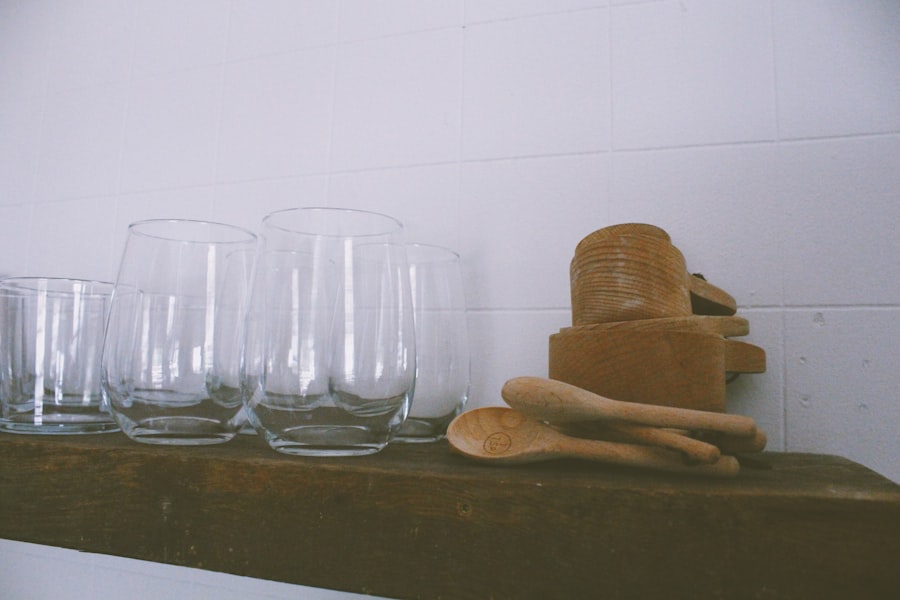
Grease and grime are often inevitable in any kitchen, especially if you enjoy cooking regularly. You may find that these stubborn residues accumulate on stovetops, backsplashes, and even walls over time. To effectively tackle grease buildup, consider using a degreaser specifically formulated for kitchen use.
Spray it on affected areas and let it sit for a few minutes before wiping it away with a cloth or sponge. For particularly tough spots, you might need to employ some elbow grease along with your cleaner. A scrub brush can be helpful in loosening stubborn grime without damaging surfaces.
Additionally, don’t overlook the importance of regular maintenance; by addressing grease as soon as it appears, you’ll prevent it from becoming a more significant issue down the line.
Organizing and Decluttering the Kitchen
A clean kitchen is not just about scrubbing surfaces; organization plays a vital role in maintaining an inviting space. You may find that decluttering your kitchen can significantly enhance its functionality and appearance. Start by assessing your cabinets and drawers; remove items that you no longer use or need.
Consider donating or discarding these items to create more space for essentials. Once you’ve decluttered, focus on organizing what remains. Group similar items together—pots with pots, utensils with utensils—and consider using drawer dividers or shelf organizers to maximize space efficiently.
Labeling containers can also help you quickly locate items when cooking or baking. By creating an organized kitchen environment, you’ll not only make cleaning easier but also enhance your overall cooking experience.
Natural and Eco-Friendly Cleaning Solutions for the Kitchen
If you’re concerned about using harsh chemicals in your home, there are plenty of natural and eco-friendly cleaning solutions available that can effectively clean your kitchen without compromising your health or the environment. You might already have some of these ingredients in your pantry! For instance, vinegar is an excellent natural disinfectant that can cut through grease and grime when mixed with water.
Baking soda is another versatile ingredient that can be used as a gentle abrasive cleaner for scrubbing surfaces or deodorizing your refrigerator. Lemon juice can add a fresh scent while also acting as a natural bleach alternative for cutting boards and countertops. By incorporating these eco-friendly solutions into your cleaning routine, you’ll create a healthier kitchen environment while reducing your carbon footprint.
Dealing with Stubborn Stains and Spills
Accidents happen in the kitchen—whether it’s a spilled sauce or an unfortunate food mishap—stains are bound to occur. When faced with stubborn stains, it’s essential to act quickly before they set in. You may want to start by blotting up any excess liquid with a clean cloth rather than rubbing it in further.
For fabric surfaces like tablecloths or seat cushions, check care labels for specific washing instructions. For hard surfaces like countertops or floors, consider using a stain remover designed for that particular material. If you’re dealing with tough stains like red wine or tomato sauce, a mixture of baking soda and water can work wonders when applied directly to the stain before scrubbing gently.
Remember that patience is key; sometimes multiple treatments are necessary to fully remove stubborn stains.
Maintaining Kitchen Appliances for a Clean and Efficient Kitchen
Your kitchen appliances are essential tools that require regular maintenance to function efficiently and remain clean over time. You might find that neglecting appliance upkeep can lead to decreased performance or even costly repairs down the line. Start by reading the manufacturer’s instructions for each appliance; they often provide valuable tips on proper care.
For example, regularly cleaning your refrigerator coils can improve energy efficiency while preventing overheating issues. Similarly, descaling your coffee maker every few months will ensure optimal performance and taste quality in every cup brewed. By dedicating time to maintain your appliances properly, you’ll not only keep them looking great but also extend their lifespan.
Time-Saving Hacks for Quick Kitchen Cleanups
In our busy lives, finding time for thorough kitchen cleaning can be challenging; however, there are several time-saving hacks that can help streamline the process without sacrificing cleanliness. One effective strategy is to implement the “one-in-one-out” rule: whenever you bring something new into your kitchen—be it an appliance or gadget—consider removing an old item that no longer serves its purpose. Another helpful tip is to keep cleaning supplies easily accessible within reach so that you can quickly grab them when needed during meal prep or after cooking sessions.
You might also consider setting a timer for quick 10-15 minute cleanups throughout the week; this approach allows you to tackle small tasks without feeling overwhelmed by larger cleaning sessions later on. By incorporating these time-saving hacks into your routine, you’ll find that maintaining a clean kitchen becomes less of a chore and more of an achievable goal in your daily life.
From establishing daily routines to deep cleaning sessions every few months, every effort contributes toward creating an inviting space where culinary creativity thrives! So roll up those sleeves—your sparkling kitchen awaits!
FAQs
What are the best kitchen cleaning products?
Some of the best kitchen cleaning products include multi-surface cleaners, disinfectant sprays, degreasers, and microfiber cloths.
How often should I clean my kitchen?
It is recommended to clean your kitchen on a daily basis, with more thorough cleaning and disinfecting done weekly.
What are some tips for keeping my kitchen clean and organized?
Some tips for keeping your kitchen clean and organized include wiping down surfaces after each use, decluttering regularly, and using storage solutions to keep items organized.
How can I remove tough stains and grease from my kitchen surfaces?
Tough stains and grease can be removed from kitchen surfaces using a degreaser or a mixture of baking soda and water. Let the solution sit for a few minutes before scrubbing the area.
What are some natural alternatives for kitchen cleaning?
Some natural alternatives for kitchen cleaning include using vinegar, baking soda, lemon juice, and essential oils. These can be used to clean and disinfect surfaces without harsh chemicals.