

You may not realize it, but upholstery cleaning is a crucial aspect of maintaining a healthy and inviting home environment. Over time, your furniture collects dust, allergens, and stains that can affect the air quality in your living space. Regular cleaning not only enhances the appearance of your furniture but also contributes to your overall well-being.
Imagine sinking into a clean, fresh sofa after a long day; it’s not just about aesthetics, but about comfort and health. Moreover, upholstery cleaning extends the life of your furniture. When dirt and grime accumulate, they can wear down the fabric fibers, leading to premature aging and damage.
By investing in regular cleaning, you are protecting your investment and ensuring that your furniture remains in excellent condition for years to come. You deserve to enjoy your living space without worrying about hidden dirt or allergens lurking in your upholstery.
Key Takeaways
- Regular upholstery cleaning is important for maintaining a healthy and clean home environment.
- Signs that your furniture needs cleaning include visible stains, unpleasant odors, and increased allergies or respiratory issues.
- Professional upholstery cleaning offers benefits such as improved air quality, extended furniture lifespan, and removal of tough stains and odors.
- The upholstery cleaning process involves inspection, pre-treatment, cleaning, and drying to ensure thorough and effective results.
- When choosing an upholstery cleaning service, consider their experience, reputation, and use of eco-friendly cleaning products.
Signs that Your Furniture Needs Cleaning
You might be wondering how to tell if your furniture is due for a cleaning. One of the most obvious signs is visible stains or discoloration on the fabric. If you notice spots that don’t seem to come out with regular vacuuming, it’s time to take action.
Additionally, if your furniture has developed an unpleasant odor, it’s a clear indication that it needs a thorough cleaning. Odors can stem from spills, pet dander, or even mold, and ignoring them can lead to more significant issues down the line. Another sign to watch for is a change in texture.
If your once-soft sofa feels rough or stiff, it may be due to dirt buildup. You might also notice that your upholstery looks dull or faded; this can happen when dirt particles settle into the fabric, making it appear lifeless. If you find yourself frequently sneezing or experiencing allergies while sitting on your furniture, it’s a strong signal that it’s time for a deep clean.
Benefits of Professional Upholstery Cleaning
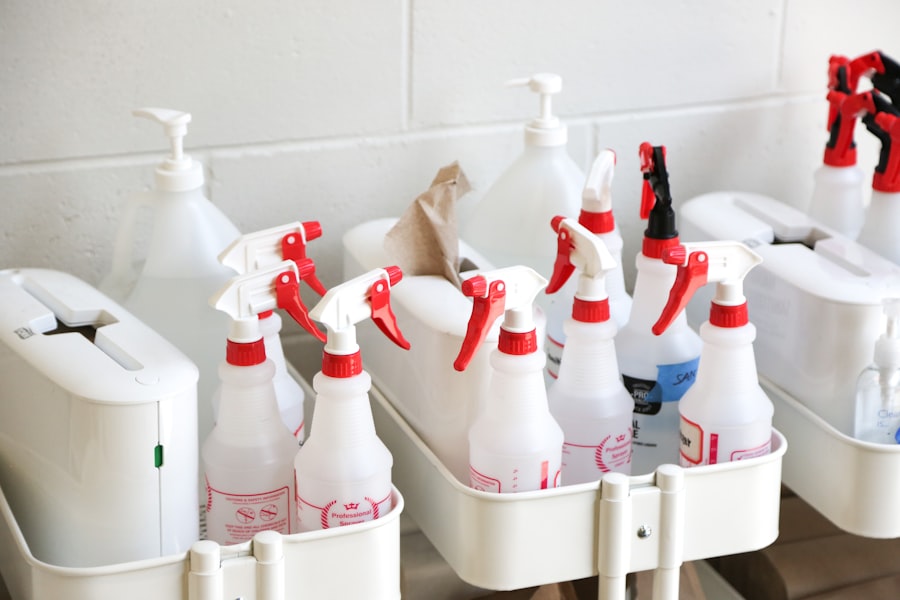
When it comes to upholstery cleaning, you may be tempted to tackle the job yourself. However, hiring a professional service offers numerous advantages that you might not have considered. For one, professionals have access to specialized equipment and cleaning solutions that are far more effective than what you can find at your local store.
They are trained to handle various types of fabrics and know the best techniques to use for each one, ensuring that your furniture is cleaned safely and thoroughly. Additionally, professional cleaners can save you time and effort. You lead a busy life, and dedicating hours to clean your upholstery may not be feasible.
By entrusting this task to experts, you can focus on what truly matters while they handle the heavy lifting. Furthermore, professional cleaning can help eliminate stubborn stains and odors that DIY methods often fail to address, leaving your furniture looking and smelling fresh.
Understanding the Upholstery Cleaning Process
| Step | Description |
|---|---|
| 1 | Pre-inspection of upholstery to identify fabric type and stains |
| 2 | Vacuuming to remove loose dirt and debris |
| 3 | Pre-treatment of stains and heavily soiled areas |
| 4 | Agitation of cleaning solution to loosen dirt and stains |
| 5 | Extraction of dirt, stains, and cleaning solution using specialized equipment |
| 6 | Drying of upholstery to prevent mold and mildew growth |
| 7 | Post-inspection to ensure thorough cleaning and customer satisfaction |
You might be curious about what goes into the upholstery cleaning process. Typically, it begins with an inspection of the fabric to determine the best cleaning method. The cleaner will assess any stains or damage and choose an appropriate technique based on the material type.
This initial step is crucial because different fabrics require different care; for instance, delicate fabrics may need gentle cleaning methods while more durable materials can withstand stronger treatments. Once the inspection is complete, the cleaning process usually involves vacuuming to remove loose dirt and debris. After that, a specialized cleaning solution is applied to break down stains and grime.
Depending on the method used—whether steam cleaning or dry cleaning—the cleaner will then extract the solution along with the dirt, leaving your upholstery revitalized. Finally, they may apply a protective treatment to help guard against future stains and wear.
Choosing the Right Upholstery Cleaning Service
Selecting the right upholstery cleaning service can feel overwhelming with so many options available. Start by researching local companies and reading reviews from previous customers; this will give you insight into their reputation and quality of service. You want to choose a company that has experience with various types of fabrics and offers a satisfaction guarantee.
Don’t hesitate to ask questions when contacting potential cleaners. Inquire about their cleaning methods, products used, and whether they have any certifications or training in upholstery care. A reputable service will be transparent about their processes and willing to provide references upon request.
Remember, you’re not just looking for a quick fix; you want a service that will treat your furniture with care and expertise.
DIY Upholstery Cleaning Tips

If you’re feeling adventurous and want to try some DIY upholstery cleaning methods, there are several tips you can follow to achieve satisfactory results. First, always start by vacuuming your furniture thoroughly to remove any loose dirt or debris. Use an upholstery attachment to ensure you’re getting into crevices and seams where dust tends to accumulate.
For spot cleaning, create a simple solution using mild dish soap mixed with water. Dampen a clean cloth with the solution and gently blot the stained area—avoid rubbing as this can damage the fabric fibers. Always test any cleaning solution on an inconspicuous area first to ensure it won’t cause discoloration or damage.
Remember that while DIY methods can be effective for minor stains, they may not replace the thoroughness of professional cleaning for deep-seated dirt or odors.
Common Upholstery Cleaning Mistakes to Avoid
As you embark on your upholstery cleaning journey, be mindful of common mistakes that could hinder your efforts or even damage your furniture. One major error is using too much water during cleaning; excessive moisture can lead to mold growth or fabric shrinkage. Always use a damp cloth rather than soaking the fabric when spot cleaning.
Another mistake is neglecting to read care labels on your upholstery. Different fabrics have specific cleaning requirements; using the wrong method could result in irreversible damage. Additionally, avoid using harsh chemicals or bleach-based cleaners unless specifically recommended for your fabric type, as these can cause fading or deterioration over time.
Upholstery Cleaning for Different Types of Fabrics
Understanding how to clean various types of upholstery fabrics is essential for maintaining their appearance and longevity. For example, natural fibers like cotton and linen are generally more forgiving but may require gentle cleaning methods to avoid shrinkage or fading. On the other hand, synthetic fabrics like polyester are often more durable and resistant to stains but still benefit from regular maintenance.
Leather upholstery requires special care as well; it should be cleaned with products specifically designed for leather to avoid drying out or cracking the material. Always consult care instructions specific to your fabric type before attempting any cleaning method; this will help ensure you’re using the right approach for optimal results.
Maintaining Clean Upholstery
Once you’ve invested time and effort into cleaning your upholstery, maintaining its cleanliness is key to prolonging its life. Regular vacuuming is essential; aim to vacuum your furniture at least once a week to prevent dirt buildup. Additionally, consider using fabric protectors that create a barrier against spills and stains—this can make future cleanings much easier.
You should also be proactive about addressing spills as soon as they occur. Blotting up liquid immediately can prevent stains from setting in, making it easier to keep your upholstery looking fresh. By incorporating these simple maintenance habits into your routine, you’ll enjoy cleaner furniture for longer periods.
Eco-Friendly Upholstery Cleaning Options
If you’re environmentally conscious, you’ll be pleased to know there are eco-friendly upholstery cleaning options available. Many professional services now offer green cleaning solutions made from natural ingredients that are safe for both your family and the planet. These products effectively clean without harsh chemicals that can contribute to indoor air pollution.
You can also explore DIY eco-friendly solutions using common household items like vinegar and baking soda. These natural cleaners can tackle stains and odors without leaving harmful residues behind. By choosing eco-friendly options, you’re not only caring for your upholstery but also making a positive impact on the environment.
Long-Term Benefits of Regular Upholstery Cleaning
Investing in regular upholstery cleaning offers long-term benefits that go beyond aesthetics. One significant advantage is improved indoor air quality; by removing allergens and dust mites from your furniture, you create a healthier living environment for yourself and your family. This is especially important if anyone in your household suffers from allergies or respiratory issues.
Additionally, regular cleaning helps maintain the value of your furniture over time. Well-cared-for upholstery retains its appearance longer and can even enhance the resale value if you ever decide to sell or upgrade your pieces. Ultimately, prioritizing upholstery cleaning is an investment in both your health and the longevity of your furnishings—one that pays off in comfort and peace of mind for years to come.
FAQs
What is upholstery cleaning?
Upholstery cleaning is the process of cleaning and maintaining the fabric, padding, and springs of furniture such as sofas, chairs, and other upholstered items.
Why is upholstery cleaning important?
Regular upholstery cleaning is important to remove dirt, stains, and allergens from furniture, and to maintain the appearance and longevity of the upholstery.
How often should upholstery be cleaned?
It is recommended to have upholstery cleaned at least once a year, or more frequently if the furniture is heavily used or if there are pets in the household.
What are the benefits of professional upholstery cleaning?
Professional upholstery cleaning can effectively remove deep-seated dirt and stains, improve indoor air quality, and extend the life of the furniture.
What methods are used for upholstery cleaning?
Common methods for upholstery cleaning include steam cleaning, dry cleaning, and hot water extraction. The method used will depend on the type of fabric and the level of soiling.
Can I clean upholstery myself?
While it is possible to clean upholstery yourself using household cleaning products, professional upholstery cleaning services have the expertise and specialized equipment to achieve a deeper and more thorough clean.